Bonding System Failures on Older Boats: How to Spot Corrosion Problems Before They Sink You

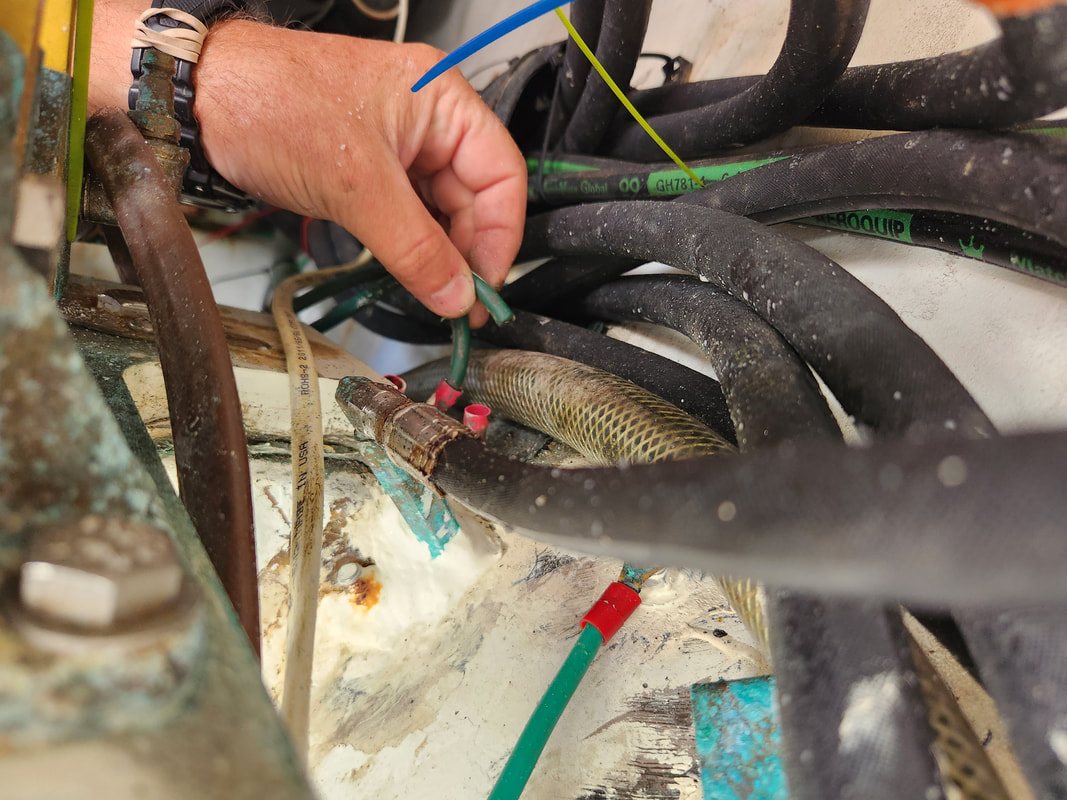
A recent service call took our ABYC Master Technicians aboard a boat where the owner was concerned about their bonding system. What we found is unfortunately very common on vessels 10, 15, or 20+ years old.
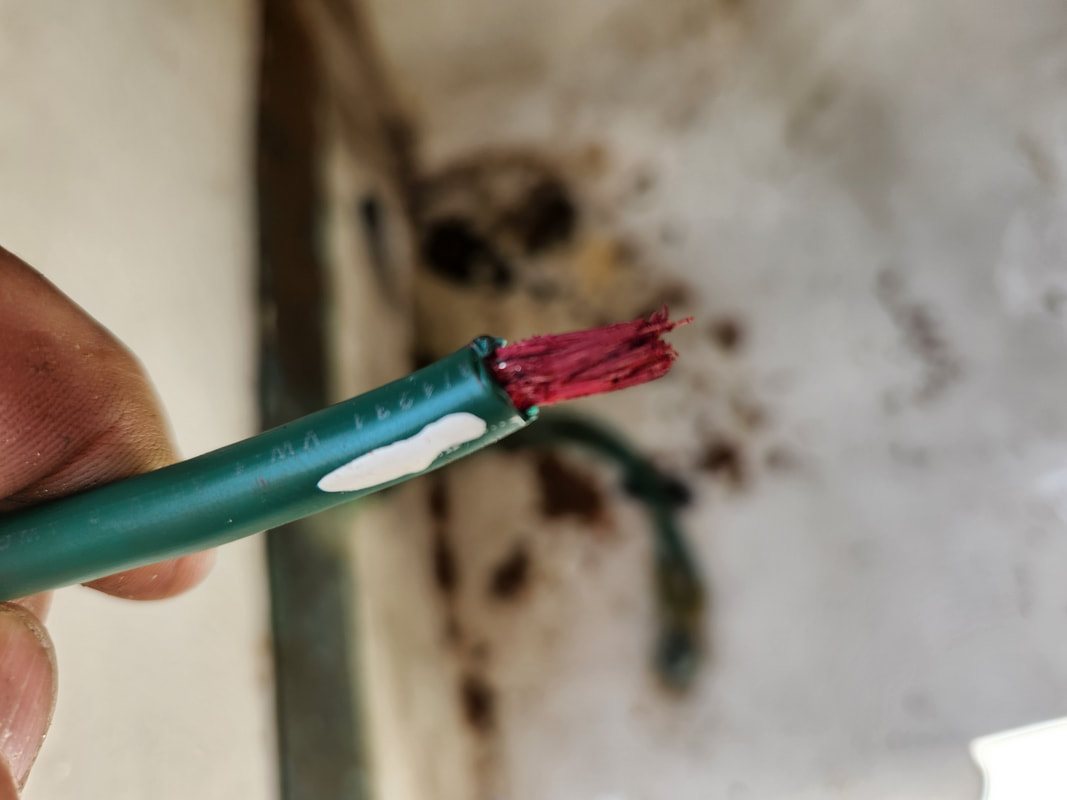
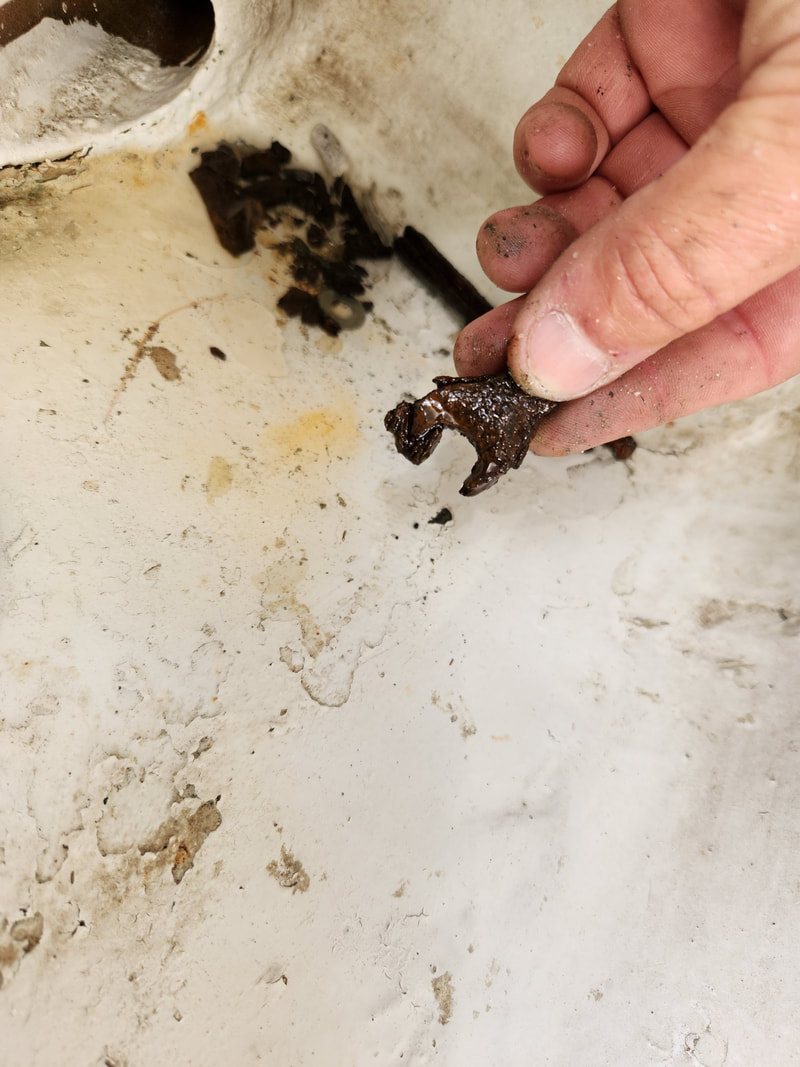
The bonding system had been properly installed years ago and was originally doing its job of protecting underwater metals from galvanic corrosion. However, many of the connections had been terminated with standard nylon connectors and no adhesive-lined heat shrink. Over time, saltwater migrated up the wire strands, causing severe corrosion, increased resistance, and eventual failure of the bonding circuit.
This is a classic failure mode on older boats. The original installation met the standards of its time, but without proper sealing and maintenance, the system degrades.
How to Test Your Bonding System.
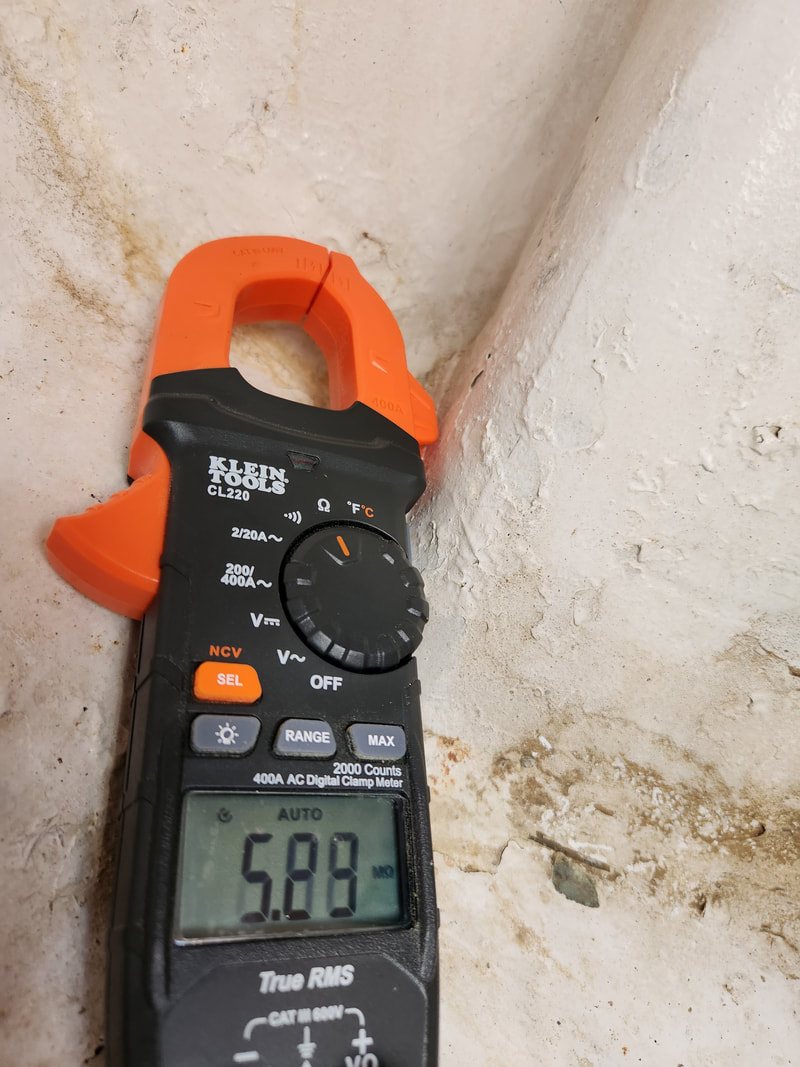
ABYC E-11 recommends that the DC bonding system maintain low resistance to provide an effective path for galvanic currents. A simple and effective field test is:
Set your multimeter to the Ohms (Ω) scale.
Place one probe on a bonded underwater fitting (through-hull, shaft, rudder, etc.).
Place the other probe on the main DC negative bus or grounding bar.
You should read 1.0 ohm or less on a properly functioning bonding system.
Readings significantly above 1.0 ohm usually indicate corroded connections, undersized wire, or broken conductors. This test is quick, requires only long test leads, and should be part of any annual inspection.
For a more complete picture, technicians use a silver/silver chloride (Ag/AgCl) reference electrode. This tool measures the actual corrosion potential of the hull and underwater metals.
According to industry best practices a properly protected boat typically shows hull potentials in a specific protective range depending on the build type of the vessel. Readings that are too positive can indicate insufficient anodic protection, while readings that are too negative may point to over-protection or stray current issues.
Reference electrode testing is especially valuable when:
Anodes are depleting too quickly or not at all
You suspect marina shore power problems
You want to verify whether your bonding system is actually working as designed
Warning Signs of a Failing Bonding System
Many owners overlook early indicators until serious damage occurs:
Green or white corrosion blooming on bronze through-hulls or fittings
Anodes wasting away much faster than normal (or barely wasting at all)
Rudder or propeller showing pitting or dezincification
Electrical gremlins that appear only when plugged into shore power
Stray current corrosion on one side of the boat or near a specific fitting
By the time a bronze through-hull starts leaking or a propeller is significantly eroded, the repair cost is often much higher than preventive maintenance would have been.
Corrosion is constant on any boat in saltwater. The most effective defense is a well-designed and properly maintained bonding system combined with regular testing.
ABYC-aligned recommendations include:
Using adhesive-lined heat shrink connectors on all bonding connections (far superior to nylon connectors)
Annual visual inspection of all bonding wires and connections
Periodic resistance testing with a multimeter (target ≤ 1.0 ohm)
Reference electrode testing when more detailed diagnostics are needed
Proper sizing and placement of sacrificial anodes
Ensuring the bonding system is connected to the DC negative system per ABYC E-11 and E-2 guidelines
Need Help Checking Your Boat? If you’re concerned about corrosion, anodes, or your bonding system — especially on an older vessel — don’t wait for a failure. The ABYC-certified technicians at Marine Craft can perform a thorough electrical and corrosion protection inspection using multimeters, reference electrodes, and ABYC standards.
Call us today at 252-571-9980 to schedule an inspection.
We’ll see you out on the water.
Frequently Asked Questions
How often should I test my boat’s bonding system?
ABYC recommends annual inspections of the bonding and cathodic protection system. A quick multimeter resistance test can be done by the owner, while a full reference electrode test is best performed by an ABYC-certified technician.
What resistance reading should I see on a healthy bonding system?
According to ABYC E-11 best practices, you should see 1.0 ohm or less between bonded underwater metals and the main DC negative bus when tested with a quality multimeter.
Why do bonding wires corrode even if they were installed correctly?
Over time, saltwater migrates into connections that are not properly sealed with adhesive-lined heat shrink. This is especially common on boats 10–20+ years old and leads to high resistance and eventual failure of the bonding circuit.
What is a corrosion reference electrode and why is it useful?
A silver/silver chloride reference electrode measures the actual corrosion potential of your hull and underwater metals. It helps determine whether your anodes are providing adequate protection, if you have stray current issues, or if your bonding system is functioning properly.
Can I test my own bonding system or should I hire a professional?
Basic multimeter resistance testing can be performed by a knowledgeable owner. However, reference electrode testing, interpretation of results, and repairs should be done by an ABYC-certified marine electrician to ensure accuracy and safety.
Posted by Dave C., ABYC Master Technician 13 June 2026